Fear not, shopaholics: the holiday season isn't over yet. The post-Christmas sales are in full swing, and the real deals are just beginning. Whether you want to upgrade your mattress, replace old workout equipment, or refresh your closet for a "new you" during the new year, these are the sales you won't want to miss. |
|
|
The Popsugar Reading Nook |
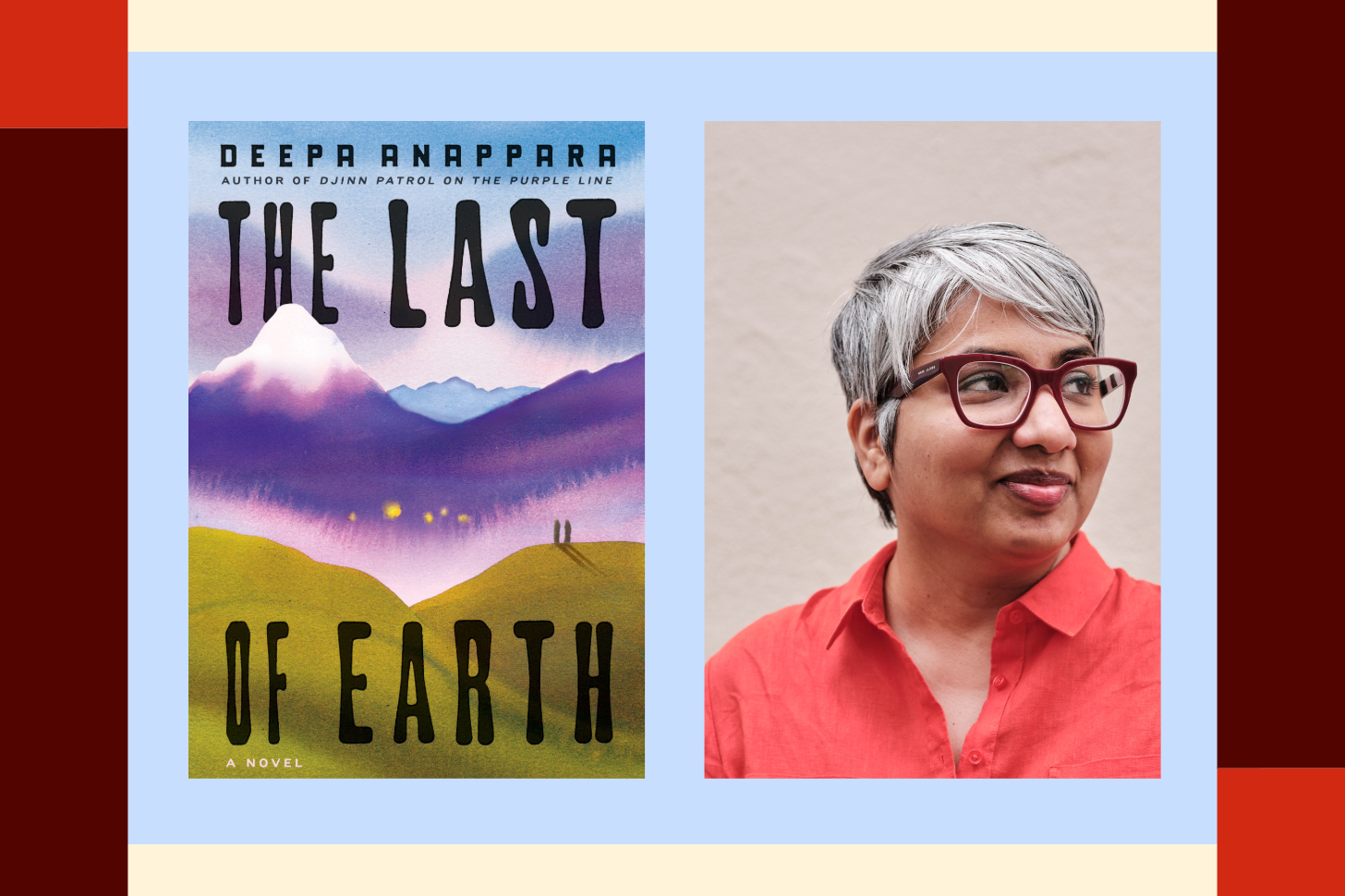
Welcome back to the PS Reading Nook! As part of this year's Reading Challenge, every Tuesday and Friday this month you'll find bite-sized interviews in this newsletter with contemporary authors behind some of our favorite new and upcoming releases. This week, we're talking with Deepa Anappara, author of "The Last of Earth," a gripping historical fiction set in 19th-century Tibet. |
Popsugar: "The Last of Earth" has been praised for its divergence from the "European fantasy" of Tibet. How does the Tibet of "The Last of Earth" differ from those orientalist portrayals, and why does that matter to you?
Deepa Anappara: As a writer from a colonized country, I am aware of various stereotypes about my part of the world, and have not only resisted those but have actively attempted to challenge them in my writing. I previously co-edited a collection of essays on writing, race, and culture, titled "Letters to a Writer of Color," specifically addressing the expectations and burdens placed on writers of color to be representatives of their communities, or cultures. I believe that my responsibility as a writer is to my character, and I try to show the world as they see it.
PS: What lessons about friendship and community do you hope readers of "The Last of Earth" take away?
DA: It was interesting through the novel to explore the relationship between the colonizer and colonized, which, despite how it may appear at the surface level, can never be a friendship because of the differences in power. "The Last of Earth" also examines the relationship between two men working for imperialist British officers, and how their relationship might be affected by the fact that they are beholden to an empire that sees them as second-class citizens. These questions, I think, are relevant even today, in how many governments hold on to power by underscoring the differences between people who might otherwise have been friends.
PS: What draws you to this specific style of historical fiction?
DA: The history of India has been mostly written [by] the British, who ruled the country for over two centuries. I was interested in reconstructing the experiences of Indians at that time, because this is something you don't find in historical records and archives. The historical fiction genre allows you to re-create a particular period of history from a point of view that might have been ignored or suppressed; it gives you a new way of understanding not just history but also the contemporary world.
|
Before you go, here are a few more stories from PS that you might enjoy. |
|
|
PS — click here to read more from us. Did someone forward you this email? Subscribe now to get more from PS in your inbox. |
|
|
update preferences | privacy notice | unsubscribe
This email was sent to latestnews401.cele@blogger.com. View online As POPSUGAR editors, we independently select and write about stuff we love and think you'll like too. If you buy a product we have recommended, we may receive affiliate commission, which in turn supports our work. Vox Media, 1701 Rhode Island Ave NW, Washington, DC 20036.
Copyright © 2025. All rights reserved. |
|
|
|






No comments:
Post a Comment