One weekend, my friends and I headed to the Catskills in upstate New York to celebrate a bachelorette party. It wasn't long after we settled into our rental home that we saw it hanging on the living room wall: an American flag. The mood shifted immediately. "Do you think the owners are racist?" one friend asked. "Is it safe to be around here?" asked another.
I can't recall the exact moment when our country's symbol began to feel exclusionary to people like me: Black folks or anyone who doesn't fit the white, male, heterosexual, cisgender archetype.
Maybe it always felt that way.
For as long as I've been alive, we've perceived the American flag — waving in the sky, plastered on the wall, or rendered on clothing — as the symbol of an America that will never belong to us. A sign that we aren't welcome. That we aren't really American.
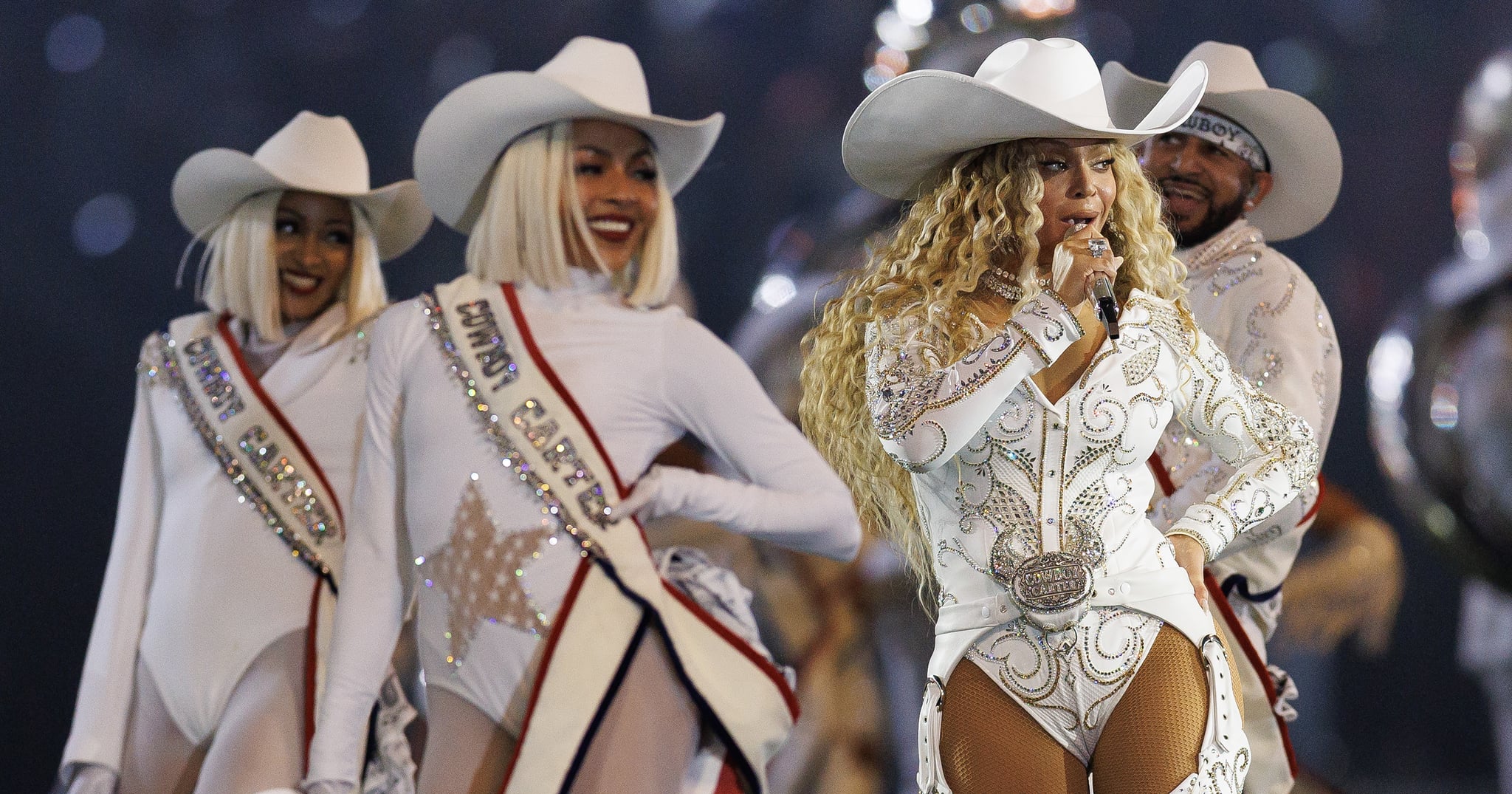
Yet four years after I spotted that American flag in the Catskills through a haze of confusion and fear, I found myself purchasing Americana fashion to wear to Beyoncé's "Cowboy Carter" tour.







No comments:
Post a Comment